AI, Legacy, and the Cost of Standing Still: The Strategic Reality Facing Europe’s Banks
Over the past five years, the financial ecosystem across Central and Eastern Europe has undergone a quiet but profound transformation. What began as an urgent push for digitisation has evolved into a deeper reconfiguration of how finance…
Over the past five years, the financial ecosystem across Central and Eastern Europe has undergone a quiet but profound transformation. What began as an urgent push for digitisation has evolved into a deeper reconfiguration of how finance is built, distributed, and experienced, from the unbundling of legacy banking infrastructure and the rise of embedded finance to the convergence of payments, credit, loyalty, and data-driven decision-making.
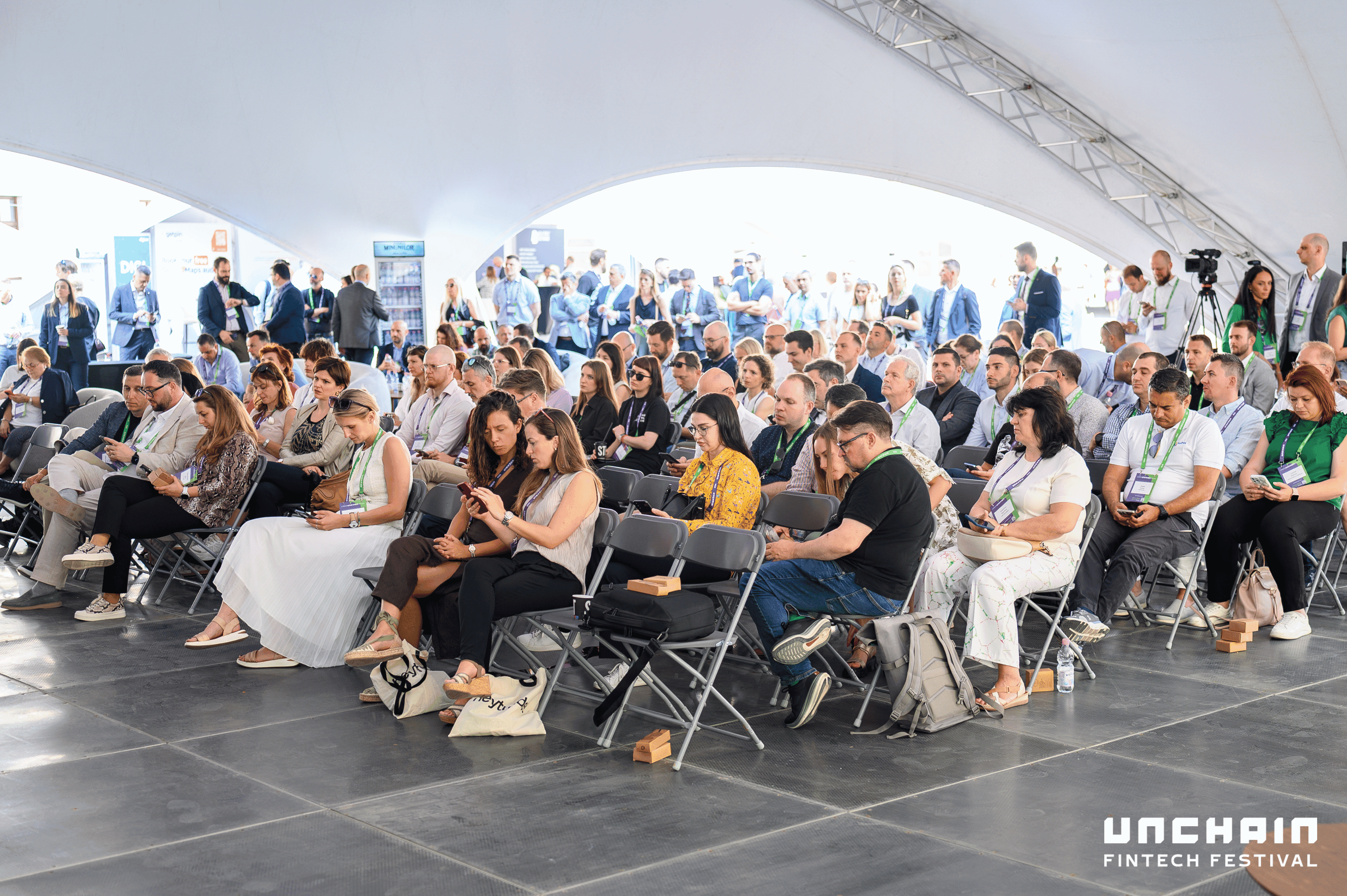
Insights gathered across previous editions of UNCHAIN Festival and distilled in its sector whitepapers point to a clear direction: finance in CEE is no longer defined by isolated products or institutions, but by ecosystems. Banks are navigating legacy “spaghetti” infrastructures while experimenting with parallel core systems and AI-driven internal automation. Retailers are moving beyond transactions toward experience-first models where payments, lending, and loyalty blend seamlessly into the customer journey. Meanwhile, fintechs are no longer challengers at the edges, but integral players shaping interfaces, expectations, and speed. Against this backdrop, UNCHAIN Festival returns to Oradea on 17–18 June 2026, offering unparalleled networking opportunities, exclusive industry insights, and strategic connections for over 800 senior leaders and decision-makers from more than 40 countries. This event marks its 5th anniversary and has evolved into a comprehensive platform that connects financial institutions, regulators, technology providers, and industry leaders at a time when alignment has become a strategic necessity.
"During the first four years of the UNCHAIN Festival, we have seen a lot of international cooperation and merchant integration. Technology combines various verticals even more closely. Many non-banks are now entering the financial services market by offering embedded finance options or loyalty/crypto products to their customers. There are many challenges with regulation, but this is exactly why we're bringing everybody to the same table - so law can keep up with innovation, and vice versa. Technology adoption, as in digital-first and customer-vertically specialized, continues to develop. Neobanks, digital brokers are getting more and more prolific," says David Pollack, Managing Partner at UNCHAIN.
From Fintech Disruption to Financial Integration As geopolitical uncertainty, regulatory pressure, and economic fragmentation continue to test Europe’s resilience, UNCHAIN 2026 positions itself at the intersection of these forces, fostering dialogue around regional integration, trust, and execution. The event aligns with the emerging EU Inc. vision and aims to strengthen Europe’s internal economic cohesion, making it a vital platform for stakeholders committed to regional resilience and innovation. In its fifth year, UNCHAIN reflects the maturity of the ecosystem it serves. Fintech is no longer a vertical; it is embedded across banking, payments, retail, mobility, and public infrastructure. The 2026 agenda will cover critical topics such as programmable capital markets, embedded financial models beyond checkout, hybrid digital–human banking experiences, and the role of AI as an internal efficiency engine rather than a blunt customer-facing tool. These discussions build directly on patterns observed over time at UNCHAIN: banks seeking clarity over ownership versus partnership, merchants pushing back against outdated loyalty and cashback mechanics, and regulators grappling with frameworks designed for a world that no longer exists.