Amid a global crisis, how can Romanian import-export automotive companies protect their profits
The number of new car registrations in Romania soared at the beginning of the year, reaching 37.447 units, a 35.56% increase from the similar interval last year. Judging only by this number, the car industry is booming for big and small…
The number of new car registrations in Romania soared at the beginning of the year, reaching 37.447 units, a 35.56% increase from the similar interval last year. Judging only by this number, the car industry is booming for big and small players alike. But what is lurking behind the scenes is a full-on crisis that few people know about – the semiconductor crisis. There is currently a shortage of semiconductors on the market – basically, substances with specific electric properties that are being used as a foundation for computers and other electric devices – and this shortage is affecting companies on all levels of the car industry.
Globally, car sales slowed down in 2021 after the pandemic caused, among others, a semiconductor shortage. Semiconductors, sometimes called microchips, include silicon, germanium, and gallium arsenide. While pundits were expecting a recovery of the market by 2022, the war in Ukraine further prolonged the negative situation. In fact, car sales are expected to hit a decade low this year globally, and there's no clear end in sight for any of the current crisis.
And it is smaller importers in the Romanian automotive sector, such as car parts shops and car repair shops, are most vulnerable and stand the most to lose. How come?
Inflation and market changes, all summed up
Well, add to the semiconductor crisis the rising inflation – 13.8% in April alone, the highest recorded in a European country this year, and consider the prospect that the official inflation rate will reach 12.5% at the end of the year, generating a drastic decrease in Romanians purchasing power. These two alone could be enough to spell trouble for many companies in the automotive sector.
"On top of these, the foreign exchange market has been seeing increasing volatility lately, as inflation has risen globally, not only in Romania. We've seen the Euro losing ground to the Dollar, now considered a safer currency. This cocktail of three, the semiconductor crisis, the inflation and the currency volatility, is putting a lot of pressure on importers and exporters in the automotive field," said Theodor Ștefanovici, Commercial Director for Romania within AKCENTA CZ, the largest European fintech to support small and medium enterprises with foreign payments and exchange risk management solutions.
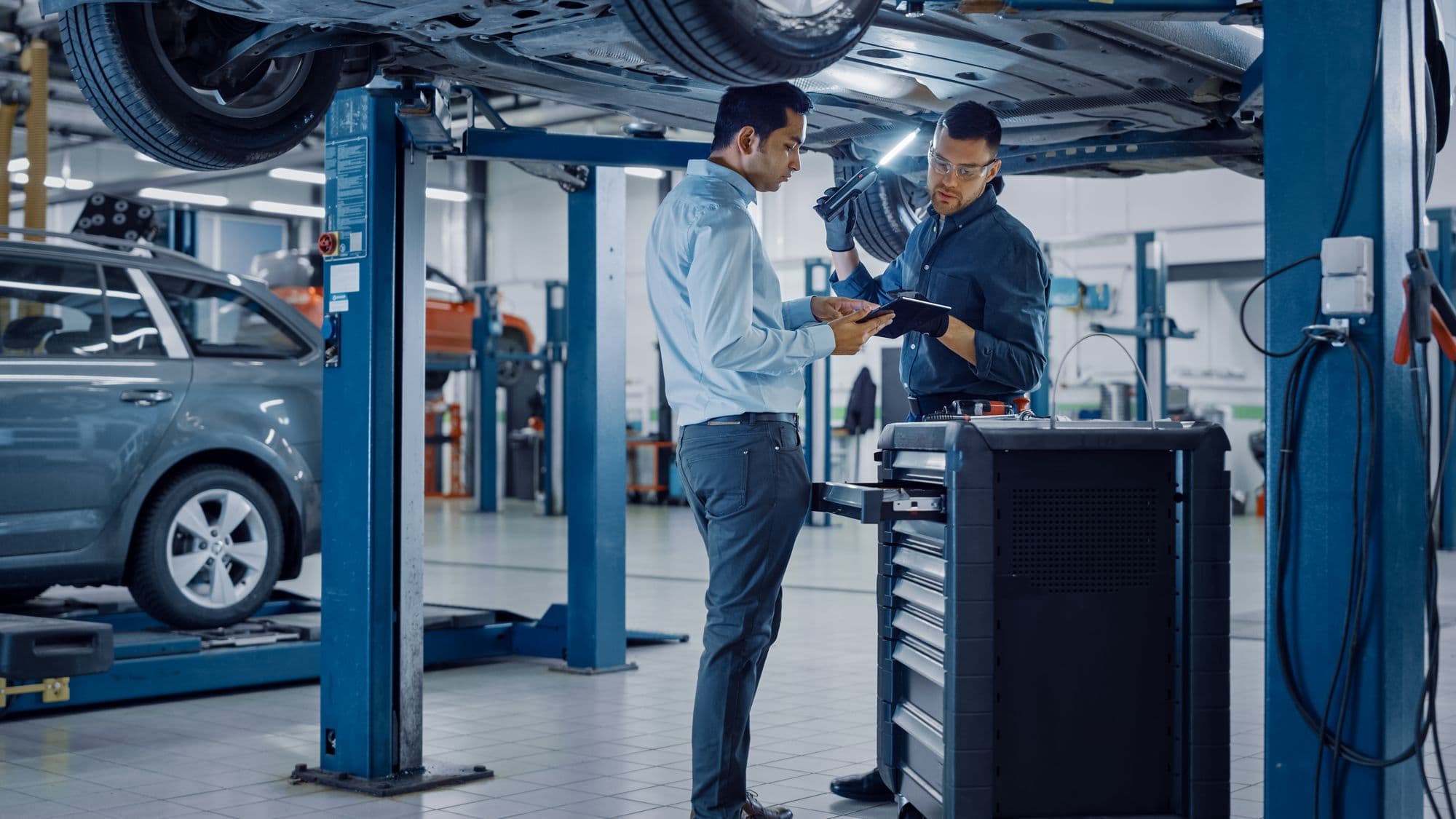
A Romanian reality, the car repair and spare parts shop just around the corner is forced to adapt to the economic realities. Competition from the online stores is fierce, and higher gas and electricity bills each month drive managers to the edge of counting every cent.