Embracing nature in your home: Garden Living, the latest residential trend in Romania
Leaving city life in favour of being close to nature, spending more time outdoors, while connecting with others and keeping all modern life benefits is slowly catching on in Romania as well in the form of the garden living trend.
Leaving city life in favour of being close to nature, spending more time outdoors, while connecting with others and keeping all modern life benefits is slowly catching on in Romania as well in the form of the garden living trend.
People want to leave their city flats to feel more connected to the earth and surrounded by green areas, to reconnect with themselves. More and more they also feel the need to connect with neighbours, to be part of a community, which is, ironically, in fact not easily available while living in a crowded city.
Some people choose to move to villages outside big cities and change their lives completely, while others opt for residential projects that value the green areas and offer a car-free concept, where they can get the best of both worlds. It is the case of Bucharest, where neighbourhoods promoting garden living and community participation are an option within reach.
Exposure to nature lowers stress, improves mood, improves one’s attention span, and has been linked by studies to a reduced risk of mental disorders and even increases in empathy and cooperation. One can boost their mood just by walking in nature, even in urban nature, according to psychologists.
So the new garden living trend is a “back to nature and back to our humanity” movement, where people can still have those things that are useful from their city life, which is now integrated with house and villas neighbourhoods.
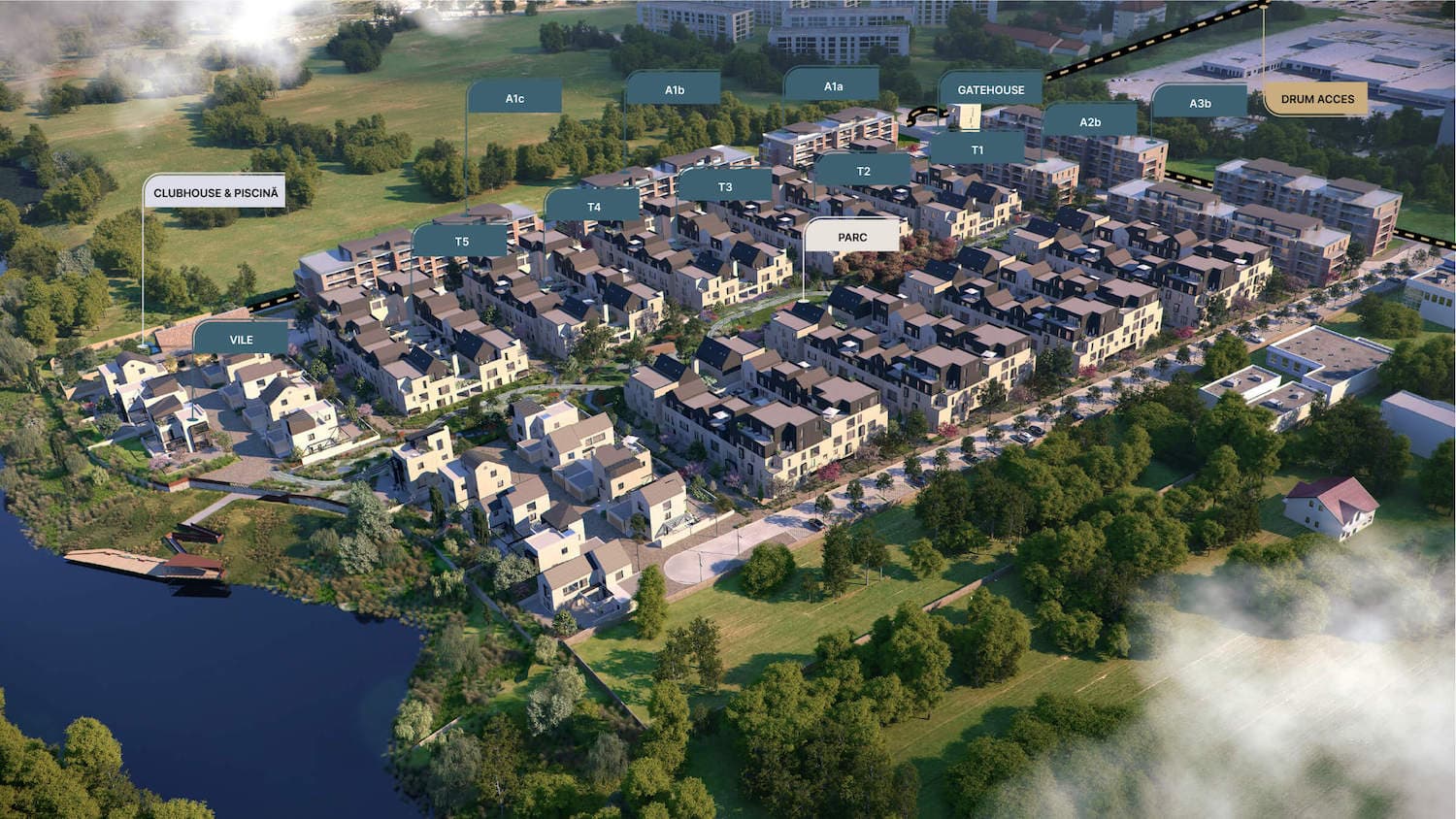
Such a project is Avalon Estate, developed by Prime Kapital in the northern side of Bucharest, where low rise buildings offer terraces that open to the park and to the lake, buildings that are surrounded by walking areas where people can exercise or connect to and spend time with friends, family, and neighbours.
The compound has a low density and favours walking and interaction, leaving behind the discomfort created by cars. Cars are parked in masked areas close to the houses, keeping the inside alleys for pedestrian walkways and green areas. Quiet, less traffic and less noise pollution help increase the quality of life and promote better physical and mental health as well.
To encourage community life, which so many city residents long for these days, such neighbourhoods have dedicated places for private events and meetings for everyone living there. The residential project also includes shopping facilities, kindergarten, restaurant, sports centre, and a natural plant-filtered pool.
Studies show that social involvement and neighbourhood social cohesion promote health and wellbeing and that people who are socially involved in their neighbourhoods tends to spend more time with other people rather than on their devices or on social media, for example.