Bucharest Old Town Highlights: Cismigiu Gardens, the idyllic must-visit park in central capital
The oldest and largest park in the central part of Bucharest, Cișmigiu Gardens is one of the city’s most idyllic landmarks. One of the best-known parks in the Romanian capital, it is a rather quiet and small park, with a lot of charm.
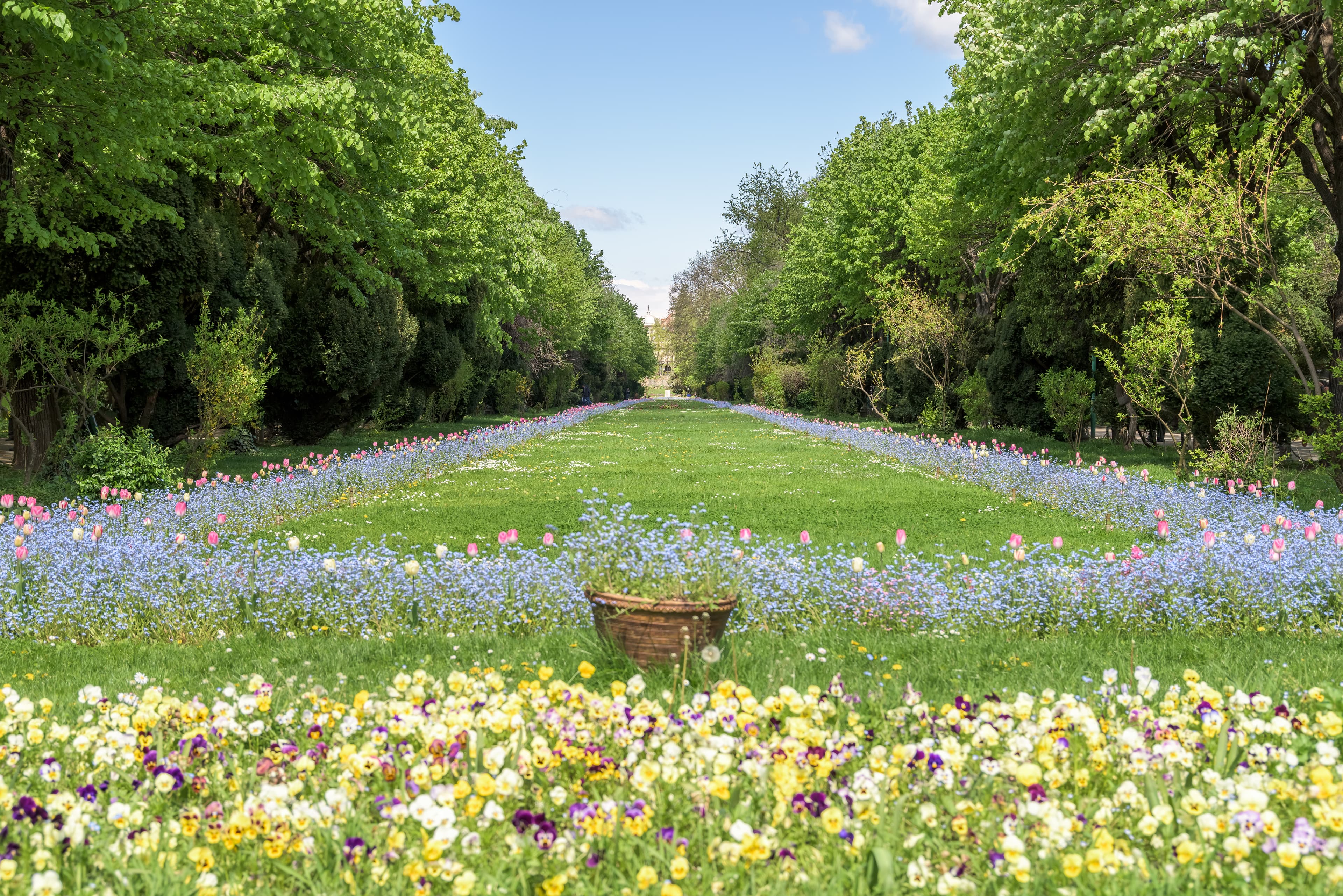
The oldest and largest park in the central part of Bucharest, Cișmigiu Gardens is one of the city’s most idyllic landmarks. One of the best-known parks in the Romanian capital, it is a rather quiet and small park, with a lot of charm.
The park, which spreads on 16 hectares, enjoys a very central location, very close to the Universitate Square, walking down the Regina Elisabeta Blvd, where its main entrance lies. There is another major access way on Stirbei Voda street, near the Cretzulescu Palace.
Its history goes back to the 18th century, at a time when Bucharest was the capital of Wallachia and the country was not yet united. The Wallachia ruler of the time asked his fountain master to build two public fountains in the area towards today’s Stirbei Voda street. The fountain master also built his house close by.
Cismigiu derives from a Turkish word, Cesme (the Romanian word is Cismea, which means fountain). The word “cismigiu” described the person who built and kept public fountains – the fountain master. Although the old name of the place was Dura the merchant’s lake, the name Cismigiu picked on as the administrator of the Bucharest fountains was actually living in a house in the park.
In 1854 the Cismigiu park was officially built. In the previous years, the area, which was also partially covered by vineyards, hosted a small pond – largely thanks to the fountain that had been installed here. The dried out pond was the start of the park. Later, Prince Gheorghe Bibescu called on experts in horticulture and planning: Wilhelm Friedrich Carl Meyer and his assistant, the gardener Franz Hörer arrived in Bucharest from the German Confederation to arrange the public gardens.
Cismigiu Gardens still spreads around an artificial lake, where boat trips can be arranged during summer and where a skating rink is usually set up in winter. When it was opened, the lake was connected to the Dambovita river.
The German horticulturist Meyer, who was appointed administrator of the park, continued to add new features to its design and bring in a host of trees from all areas of Romania and from abroad. The park is now home to some protected tree species, among them the ginkgo biloba, the hybrid plane, or the Norway spruce. After Meyer, three other German specialists managed the garden, including Friedrich Rebhuhn who, at the beginning of the 20th century, redesigned many parts of the gardens to their present-day appearance.
Towards the end of the 19th century, the Elisabeta boulevard was created and landmark buildings started to appear in the vicinity, including the Gheorghe Lazar Highschool, and later, in 1913, Palace Hotel, with 200 rooms, the largest hotel in town at the time. Before the hotel, the area between the National Military Circle and Cismigiu Gardens was covered by wide gardens and just a few houses here and there.