Nature in the Fagaras Mountains: Romania's brown bear
Romania-Insider.com is publishing a series of articles about wildlife in Romania, zooming in on the wild animal and plant species in the Fagaras Mountains area. This editorial series is sponsored by the Foundation Conservation Carpathia.
Irina Marica · Journalist
· Updated · 6 min read
Romania-Insider.com is publishing a series of articles about wildlife in Romania, zooming in on the wild animal and plant species in the Fagaras Mountains area. This editorial series is sponsored by the Foundation Conservation Carpathia.
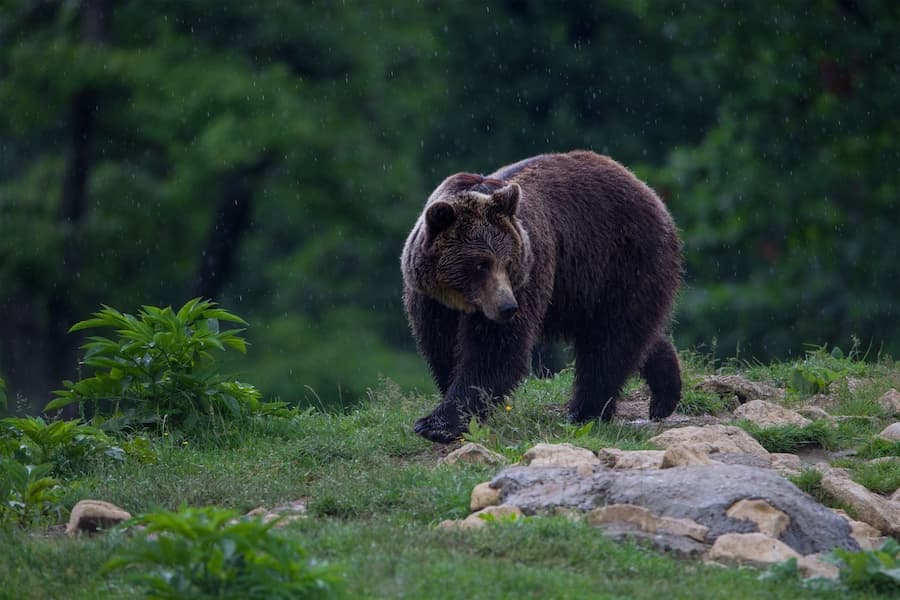
If there is one thing Romania should be known for, besides its beautiful tourist destinations and welcoming people, that is its wildlife. The country is home to many species of wild animals, but the brown bears have always caught people’s attention. It is believed that there are over 200,000 brown bears in the world, and estimates say that over 6,000 of them roam Romania’s forests in the Carpathian Mountains: the largest population of bears within the European Union. In Europe, the brown bear is mostly found in mountain woodlands, as they require areas with dense cover in which they can shelter by day. Bears are among the largest living carnivores, with male bears growing to up to 350 kg and females, to some 200 kg. However, bigger bears have also been reported, including a 450 kg one in Romania. Bears hibernate during winter, from around October/December to March/May. They choose a hibernation location such as a burrow, either on a sheltered slope under a large stone or among the roots of a large tree. Brown bears mate from May to July. A gestation of 180 to 266 days follows, with births occurring from January to March, usually while the female is still in hibernation. Two to three bear cubs are born. Their mother would breed again 2 to 4 years later, as the cubs stay with her until three or four years old. Bear cubs are vulnerable, being blind, naked and weighing only 340-680g at birth. But they grow quickly, reaching 25kg by 6 months. They continue lactating for 18 to 30 months while eating various foods as well. The brown bears can reach 20 to 30 years of age, but most of them die rather early. Their diet varies depending on the season and includes grass, roots, berries, apples and nuts, plums, as well as insects and mammals and, of course, honey. Brown bears usually forage in the morning and evening, and rest under dense vegetation during the day.