Faith and joy: Easter traditions in Romania
Easter, or the resurrection of Jesus Christ, is one of the most important religious celebrations in Romania. Deeply rooted in Orthodox Christianity and enriched by regional customs, the holiday blends spiritual reflection with vibrant…
Irina Marica · Journalist
· Updated · 3 min read
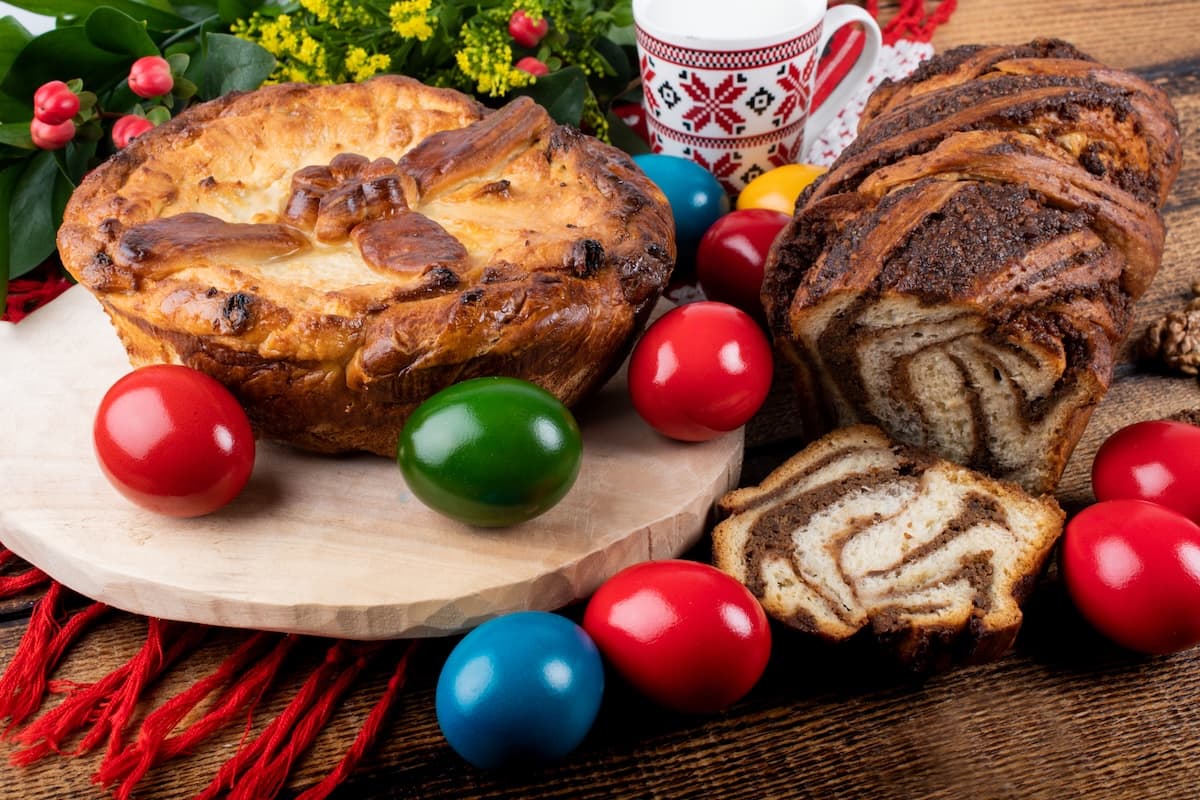
Easter, or the resurrection of Jesus Christ, is one of the most important religious celebrations in Romania. Deeply rooted in Orthodox Christianity and enriched by regional customs, the holiday blends spiritual reflection with vibrant community traditions. Whether you're visiting during this time or simply curious about local culture, Easter in Romania offers a glimpse into a world where faith, folklore, and family come together in meaningful ways.
The celebrations begin with Palm Sunday, known locally as Duminica Floriilor, which falls on the Sunday before Easter and marks Christ's entry into Jerusalem. This day opens the gates to Holy Week, or Săptămâna Mare, a time of spiritual preparation.
Many Romanians observe Lent in the weeks leading up to Easter - abstaining from meat, dairy, and sometimes even oil - making the eventual Easter meal both a reward and a spiritual milestone.
Holy Thursday, called Joia Mare in Romanian, is when people start preparing the traditional red Easter eggs, which symbolize the blood of Christ. While red remains the most common color, eggs in blue, green, yellow, and orange are also common, especially in urban households.
In some regions, such as Bucovina and Maramureș, you may come across spectacular hand-decorated eggs known as ouă încondeiate - each a miniature work of art, created with wax and natural dyes in intricate patterns. While many eggs are boiled and eaten, these artistic ones are typically hollowed out and kept as decorations or gifts.
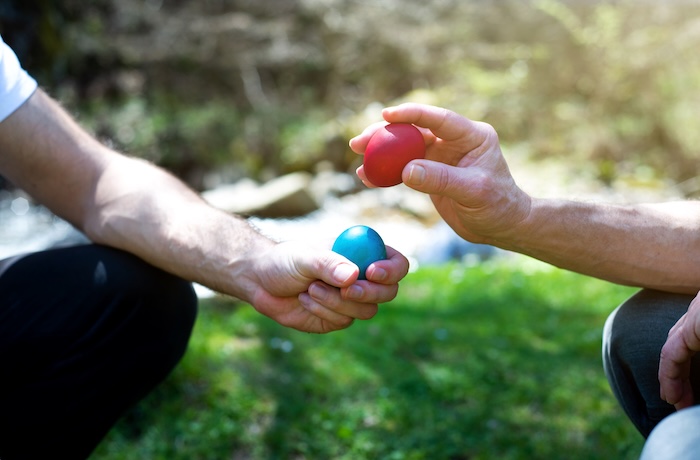
One of the most beloved Easter traditions in Romania is the egg tapping game. On Easter morning, family members and friends tap their painted eggs together, competing to see whose shell is strongest. As they do so, they exchange a traditional greeting: “Hristos a înviat!” (“Christ has risen!”), followed by the response, “Adevărat a înviat!” (“Truly, He has risen!”). It’s a joyful custom that blends playfulness with religious significance.
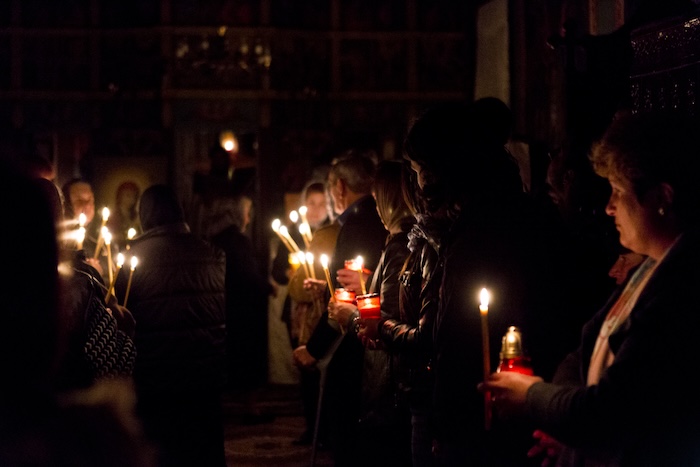
Good Friday, or Vinerea Mare, is observed with solemnity, commemorating the crucifixion of Jesus. In many churches, people line up to pass under a table that represents Christ’s tomb - three times, in silence - symbolizing the suffering Christ endured on his way to the cross. Many Romanians also fast completely on this day, reinforcing the spirit of sacrifice and devotion.