History special: Carol Davila, the foreign-born doctor who changed Romania’s healthcare system
Born in Italy and educated in France, professor doctor Carol Davila came to Bucharest almost 170 years ago and never left. He is still remembered today as the man who brought a decisive contribution to the foundation and development of the…
Irina Marica · Journalist
· Updated · 4 min read
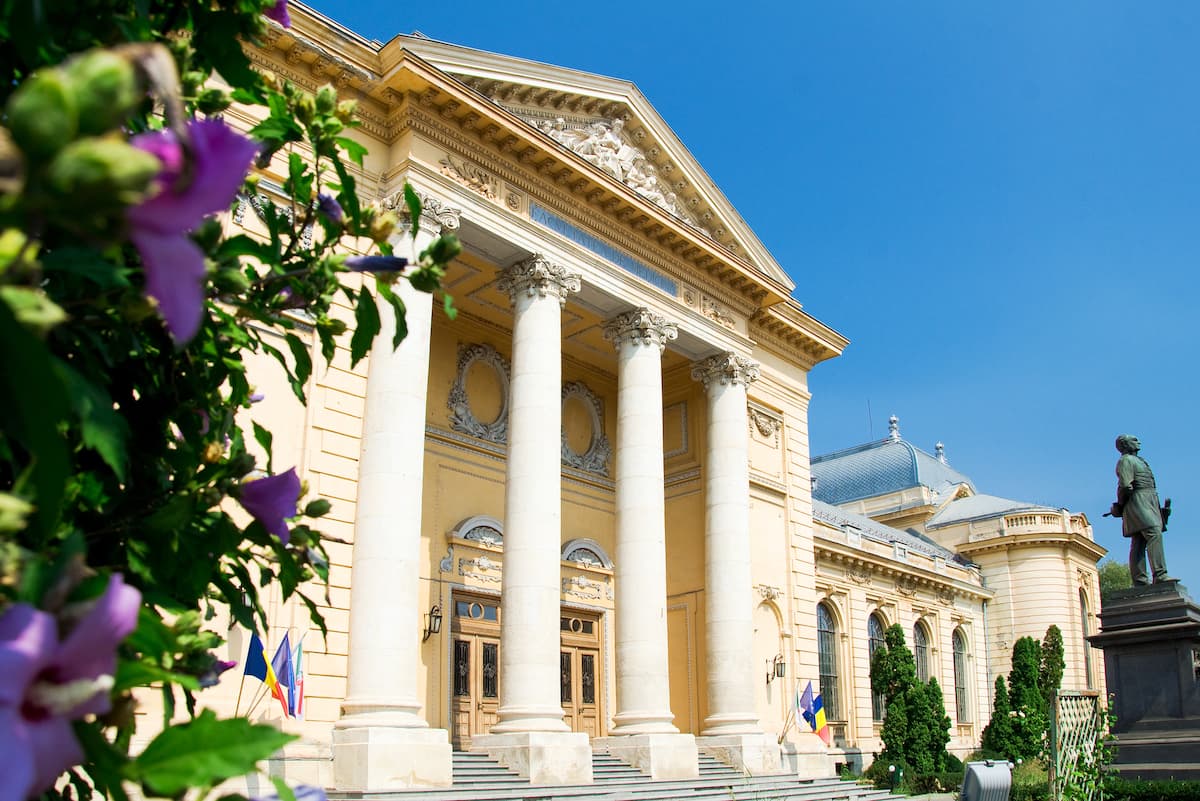
Born in Italy and educated in France, professor doctor Carol Davila came to Bucharest almost 170 years ago and never left. He is still remembered today as the man who brought a decisive contribution to the foundation and development of the Romanian medical education, healthcare system, and society as a whole. Many of the texts written about Davila's accomplishments portray an honest and intelligent man, tenacious but calm, and very well organized.
It was 1853 when 25-year-old Carol Davila arrived in Bucharest at the request of Prince Barbu Stirbei, who wanted to reorganize the sanitary service of the army as part of his much bigger plan to modernize the entire Wallachia. Soon after his arrival, Davila was appointed chief at the Mihai Voda Hospital of the Army and began his sanitary reform. He was supposed to stay three years here, but he never left.
Carol Davila entered Wallachia in the spring 1853, from Giurgiu. Radio Europa Libera Romania quoted a text of the young doctor describing his arrival: "A mail carriage was waiting for me at Giurgiu, and the next day, eight horses were taking me with dizzying speed to the destination of my journey. Two couriers and a post officer armed to the teeth were with me […]. There is no road between Giurgiu and Bucharest - we gallop across the field, no hill was levelled, no depression lifted; you cross rivers on wooden bridges so fragile and insecure that, unwittingly, you get goosebumps of fear of cold baths."
Davila arrived in 19th century Bucharest, a place of contrasts, with poverty and richness, wicked people and talented residents who wanted good things for their city. But he was a very energetic man, decided to move things in the right direction no matter what, be it war or peace.
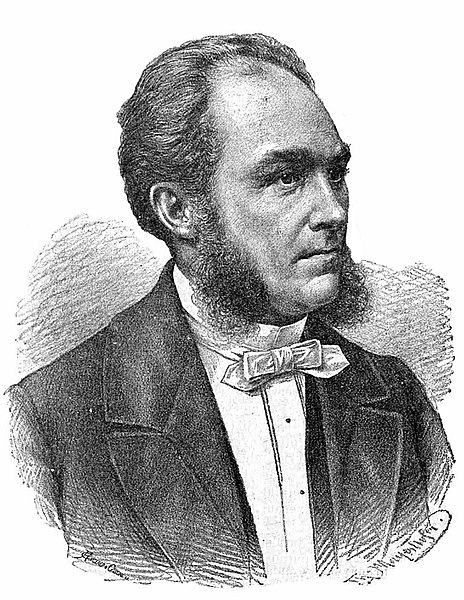
Since his arrival in Bucharest, Carol Davila spent a lot of time in the military hospital and its branches because of an ongoing epidemic. One of the first projects he undertook was a report evaluating the facilities and processes and recommending a major sanitary reform.
In 1855 Carol Davila set up a "Minor Surgery School" based on the model of the school in Angers, in France, with a curriculum that included classical languages, the French language, and history. The following year he selected the first group of students for the pharmaceutical department, thus initiating pharmaceutical education in the country.