Romania Photo of the Day by Dreamstime: Snagov Monastery in autumn colors
The Romania Photo of the Day created in partnership with stock photo provider Dreamstime aims to highlight the best of Romania. From stunning landscapes and popular tourist destinations and landmarks to people, traditions, and food, this…
Maiavankline · Journalist
· Updated · 2 min read
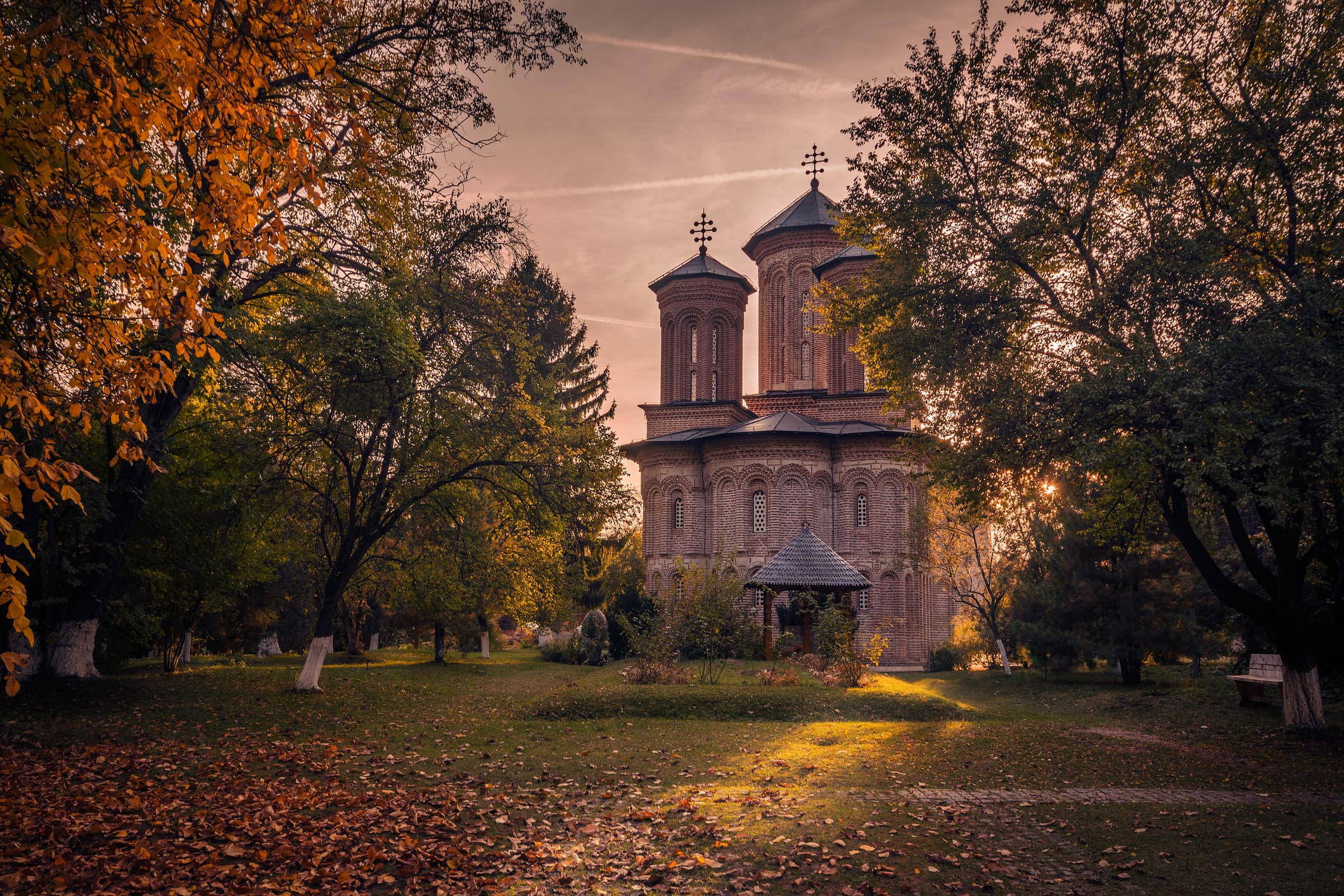
The Romania Photo of the Day created in partnership with stock photo provider Dreamstime aims to highlight the best of Romania. From stunning landscapes and popular tourist destinations and landmarks to people, traditions, and food, this series helps you discover Romania one photo at a time. This week, we put the focus on beautiful Romanian landscapes in autumn colors.
On a small island in Snagov Lake, stands a beautiful church - one of the most important religious monuments in the South of Romania. (Photo source - click on the number to get to the photo 125849290 © Ionut Petrea | Dreamstime.com)
The church, originally part of a monastery (which is why it is still referred to as Snagov Monastery) dates back to the medieval times, when local rulers built or strengthened it, as the case may be, in order to support the Romanian Orthodox Church (and probably make a good name for themselves in the process).
Over the years, many rulers contributed to the building of this settlement, says historia.ro, creating a center for Orthodox spirituality and culture. For instance, in the 1450s, Vlad the Impaler enlarged and fortified it during his reign, adding fortification walls, a bridge, monks’ cells, a belfry, and a prison for criminals and traitors, as well as an underwater tunnel.
According to atlasobscura.com, the story goes that Vlad the Impaler was buried in the church as per his request prior to his death. A number of archeologists and historians have worked to verify whether this tale is fact or simple apocrypha and none have been able to prove that the medieval ruler was ever laid to rest on the island. After having dug up some of the site’s burial stones a mix of horse and human bones were found, but nothing that confirms his internment here. Most historians now believe that the Prince of Wallachia was buried in a monastery in the Comana area, but this has not stopped the locals from spreading the myth.
In April 1694, historia.ro continues, Constantin Brâncoveanu appointed Antim Ivireanul as abbot of the Snagov Monastery. The theologian and man of culture of Georgian origin carried out a rich printing activity here, printing numerous books, not only in Romanian but also in Greek, Slavonic, and Arabic.