Romanian film review – One World Romania & The Case of Engineer Ursu
Every year, mostly March, bring a piece on One World Romania, so here we are, same procedure. That is for good reason: the international documentary festival for human rights is always terrific, poignant, and urgent. In a most fitting…
Ioana Moldovan · Journalist
· Updated · 4 min read
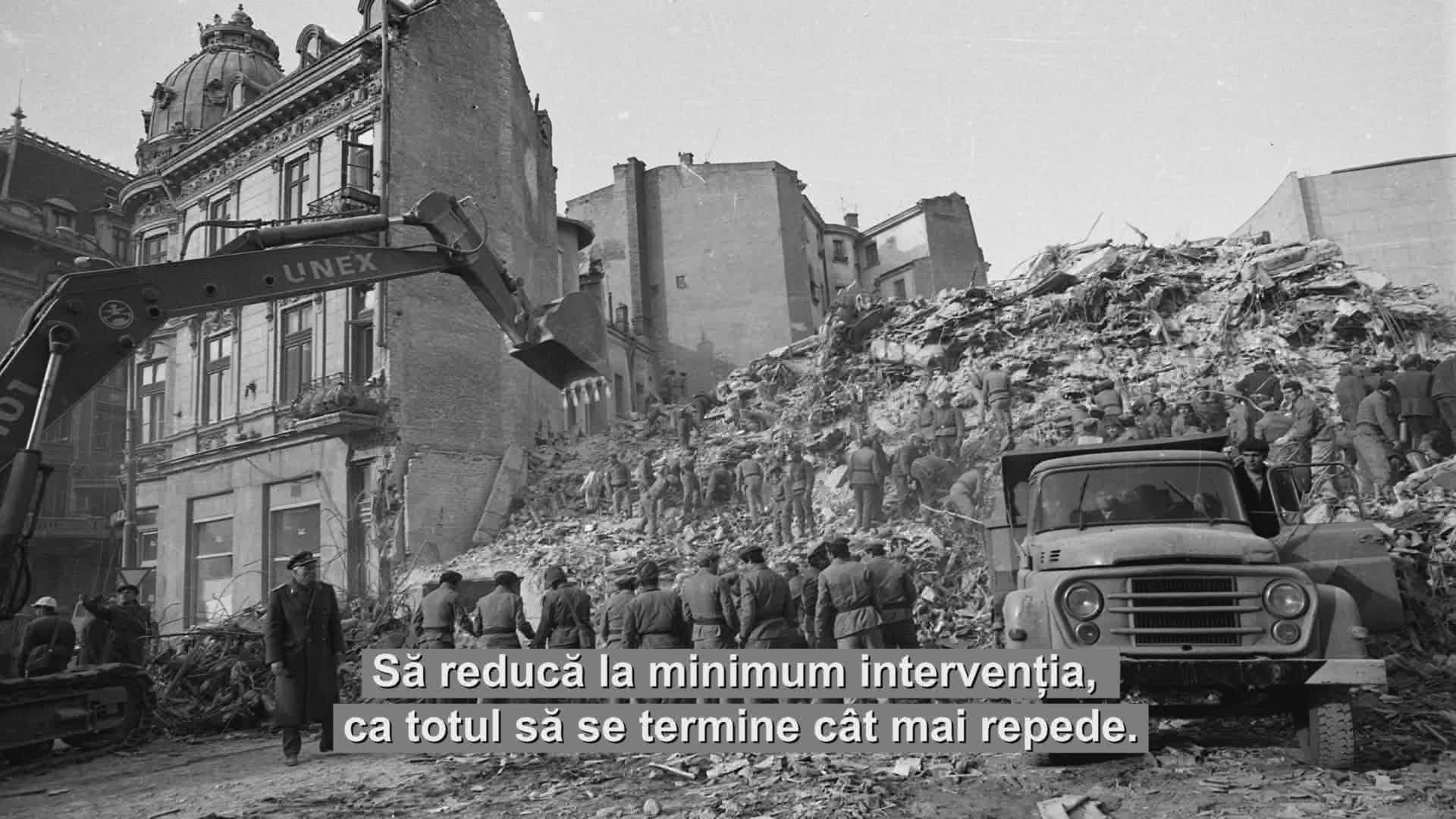
Every year, mostly March, bring a piece on One World Romania, so here we are, same procedure. That is for good reason: the international documentary festival for human rights is always terrific, poignant, and urgent. In a most fitting coincidence, Liviu Tofan and Șerban Georgescu’s documentary Cazul inginerului Ursu/ The Case of Engineer Ursu has been released theatrically recently, and is a most topical companion to the human rights fest.
This year, to my great sadness, I cannot attend One World Romania in person, a first in years. The fest takes place until 14 April in Bucharest, and online between 15 and 25 April. There are titles in the selection I am thrilled to see featured and generally so much to recommend, so here we go!
Claire Simon’s Our Body/ Notre Corps is a remarkable look at women’s bodies, honest, moving, and inclusive. The observational doc is set in a gynaecology section of a Parisian public hospital. There are the happy times when babies are born, sad times when forms of cancer affect the breasts or reproductive organs, and everything in between. Trans women and gender transitioning patients are also featured, with empathy and kindness. The film is absolutely fascinating and increases the emotional heft when the filmmaker's body joins the observed ‘bodies’. The world “brave” is often used to describe filmmakers and their approach but it befits Our Body in its turn to the personal as well. Simon does not only observe, she also puts herself up for observation. I cannot speak from any other perspective than my own, but I would venture to say the film resonates with all viewers, and will certainly prove revelatory for some. A wondrous and necessary film, feminist, diverse, and humanist above all.
Paul B. Preciado’s Orlando, ma biographie politique/ Orlando, My Political Biography is the other major recommendation. The Orlando in the title is Virginia Woolf’s Orlando, the figure in her eponymous novel set initially in 18th century Britain who changes sex from male to female and goes on to live for centuries. Preciado, a trans philosopher and author himself, talks about his own transition and includes a multitude of trans and non-binary characters and bodies, all of them Orlandos finding and fighting for their place in the world. What may sound bookish or too serious is in fact a playful, fun, eye-opening, and truly uplifting portrait of diversity and community, a wonderfully plea for individual freedom and – to keep the shape-shifting metaphor - in the shape of a wonderfully original docu-hybrid, one of the best films I saw in 2023.