Romanian film review – The New Year That Never Came & BIEFF
Bogdan Mureșanu’s Anul nou care n-a fost/ The New Year That Never Came is the film of the hour. With an impressively successful run in theatres so far, you can still catch it. You could be lucky and also watch it if you live outside of…
Ioana Moldovan · Journalist
· Updated · 4 min read
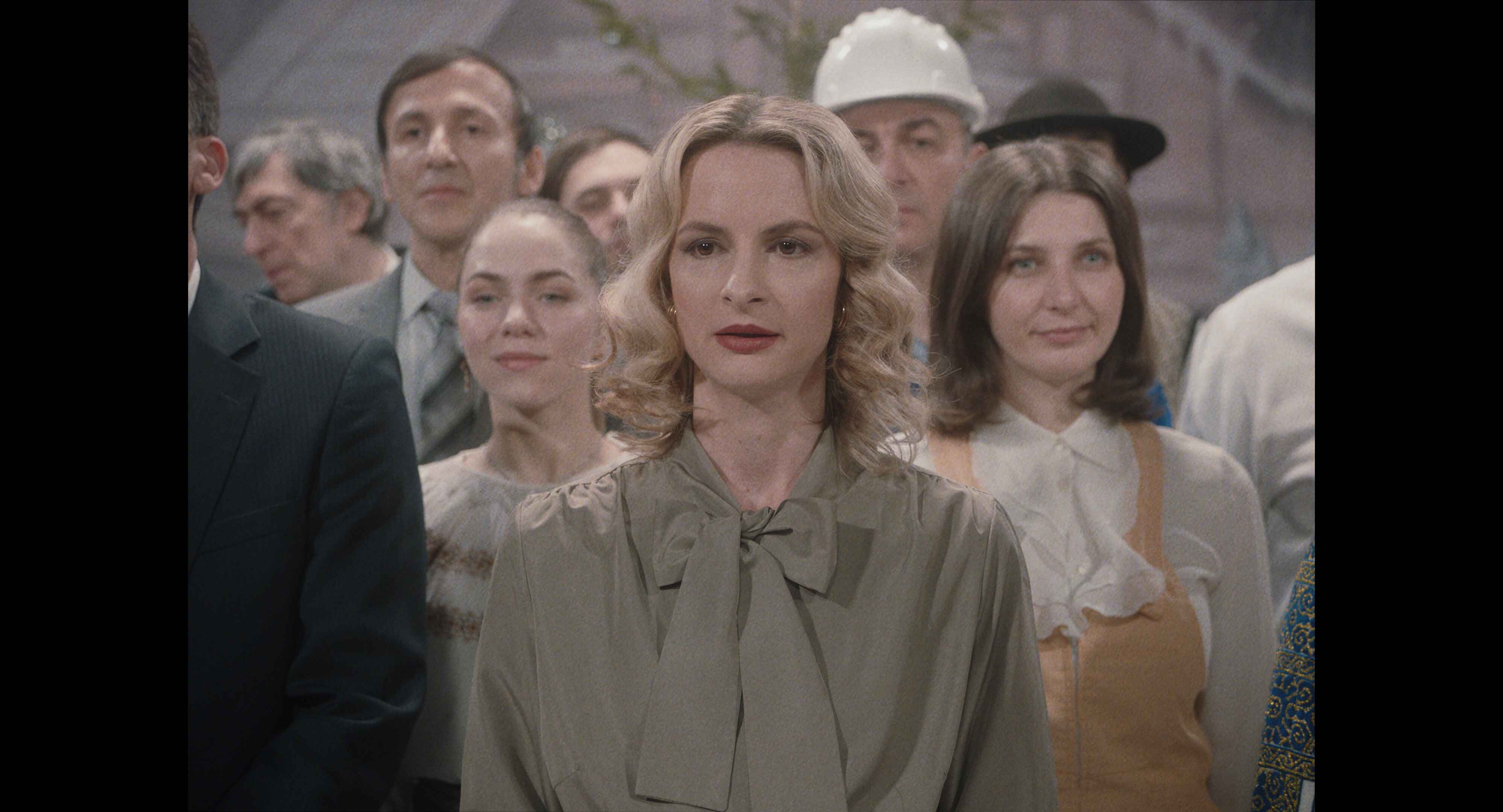
Bogdan Mureșanu’s Anul nou care n-a fost/ The New Year That Never Came is the film of the hour. With an impressively successful run in theatres so far, you can still catch it. You could be lucky and also watch it if you live outside of Romania, it has been touring intensely.
Using Mureșanu’s hit 2018 short film Cadoul de Crăciun/ The Christmas Gift(for full movie scroll below) as a starting point to look at a wider canvas (and including it almost in its entirety) the film consists of a several interconnected stories right before 21 December 1989 and the soon-to-happen Romanian Revolution.
An actress in crisis; a TV production team in a bigger crisis when one of its stars defected and they need to re-shoot the New Year special; two teenagers trying to flee the country; an older woman refusing to leave her house that is to be demolished; her son, a secret police officer with more than this problem on his mind; and the little boy of the short who might get his father in terrible trouble with a very honest letter to Santa. In the tradition of episodic films, the characters of one story intersect another, and eventually they come together in a grand finale.
The film is well-cast and looks great, but the look is a very neat one, vibrant, glossy, and pretty much flawless, like a nostalgic retro filter. Apparently a trend in recent films on communist years, if I may draw such a conclusion after just this pic and Alexandru Belc’s Metronom. Granted, everyone must be tired of the depressing grey cliché for such stories, but I wonder if there is a middle way? Mureșanu’s drama is also clinical in its surprisingly sedate rhythm, and in its indecision in tone. Neither funny enough (like the original short) nor dramatic enough, the film floats somewhere in between and left me strangely uninvested in its characters. It does have some great one-liners and there are moments that made me chuckle. The storyline that managed to spark more empathy was the one of the young actress forced to replace the other in the New Year’s show. Nicoleta Hâncu was a true discovery for me and her turmoil gave the film its much-needed emotion. Luckily, the film picks up speed in its second half and I had much more fun. The ending is either you-cheer-for-it or you-don’t but making the desperate father of the Santa-writing child frantically improvise a gag to make the crowd boo Ceaușescu on 21 December – all while Maurice Ravel’s Boléro is blasting towards its famous climax on the soundtrack – is cheeky and so audacious it made me laugh out loud. Honestly, what an ending, I am not surprised that the film has been selling a record number of tickets. This is entertaining, handsome cinema for all audiences.