Guest post: Six major themes tackled at the World Economic Forum 2023
Guest writer Andrei Buruiana draws his conclusions after the 2023 World Economic Forum in Davos looking at six major themes discussed by the world leaders and their impact on the economy and investments.
Romania Insider · Journalist
· Updated · 5 min read
Guest writer Andrei Buruiana draws his conclusions after the 2023 World Economic Forum in Davos looking at six major themes discussed by the world leaders and their impact on the economy and investments.
Every year, the World Economic Forum gathers heads of state, heads of large corporations, and leaders of multinational organizations, such as the European Commission, the International Monetary Fund, in Davos, Switzerland, for discussions aimed at shaping global, regional and industry agendas.
In this article, I want to evoke a few major themes, compiled after carefully watching a series of panels at this year's conference. Admittedly, I opted for those closest to the macroeconomic, economic, and financial domains.
At the same time, I also intend to translate what was discussed there into some conclusions or elements of impact in our lives.
1. I will open the series of themes with that of climate change, in other words, the growing effects of the climate on mankind. In many discussions this topic was omnipresent.
That is why the European Commission is proposing extremely ambitious targets for reducing (to zero) the net carbon footprint by 2050 and boosting green energy at European level.
Climate change will evermore expose people to many more risks (insurable and uninsurable alike), which is why insurance will become increasingly important.
In the insurance panel, the concept of mandatory insurance for certain events was raised, for example in agriculture, to make insurance premiums lower for those insured; similar to Pillar 2 private pensions.
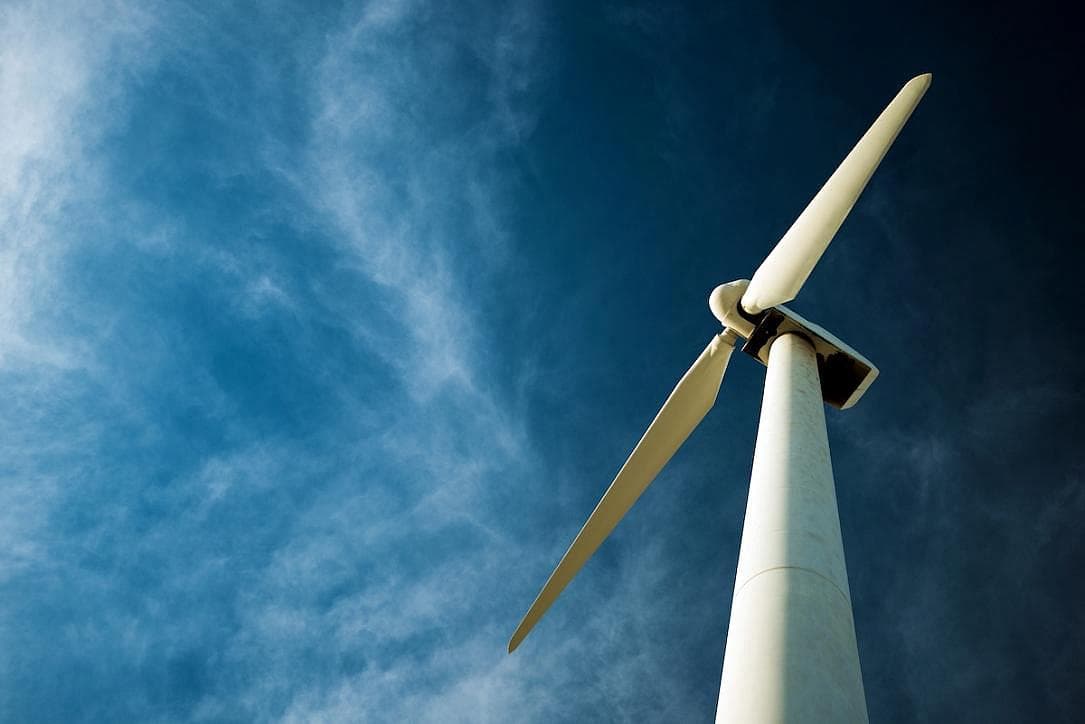
2. As a spin-off theme from climate concern, there is the theme of renewable or green energy.
As such, in her speech, Ursula von der Leyen evoked a broad investment programme in the field of clean energy: the Green Deal Investment Plan with 4 pillars: regulatory framework, increased financing of green energy, development of specialised green energy skills and facilitation of green energy transactions.
Some other ideas from the same speech:
- The market for manufactured clean energy products will be 650 billion annually according to the International Energy Agency by 2030;
- Clean energy technology is the most dynamic field in Europe.
The US is no exception on the matter, and their massive subsidies for green energy are in discussion.
"If there is a competition to accelerate the adoption of renewables, for supremacy in storage and transmission technology, it is an extremely healthy competition," said Larry Summers, a leading US economist, in another panel.