The aluminium cans gain ground in Romania: its share of DRS packaging has risen to 29.3%
Official RetuRO data analysed by Every Can Counts shows an increase from 21.6% in the first quarter of 2024 to 29.3% in the second quarter of 2026. One driver of this growth is the younger generation, drawn to the graphic freedom the can…
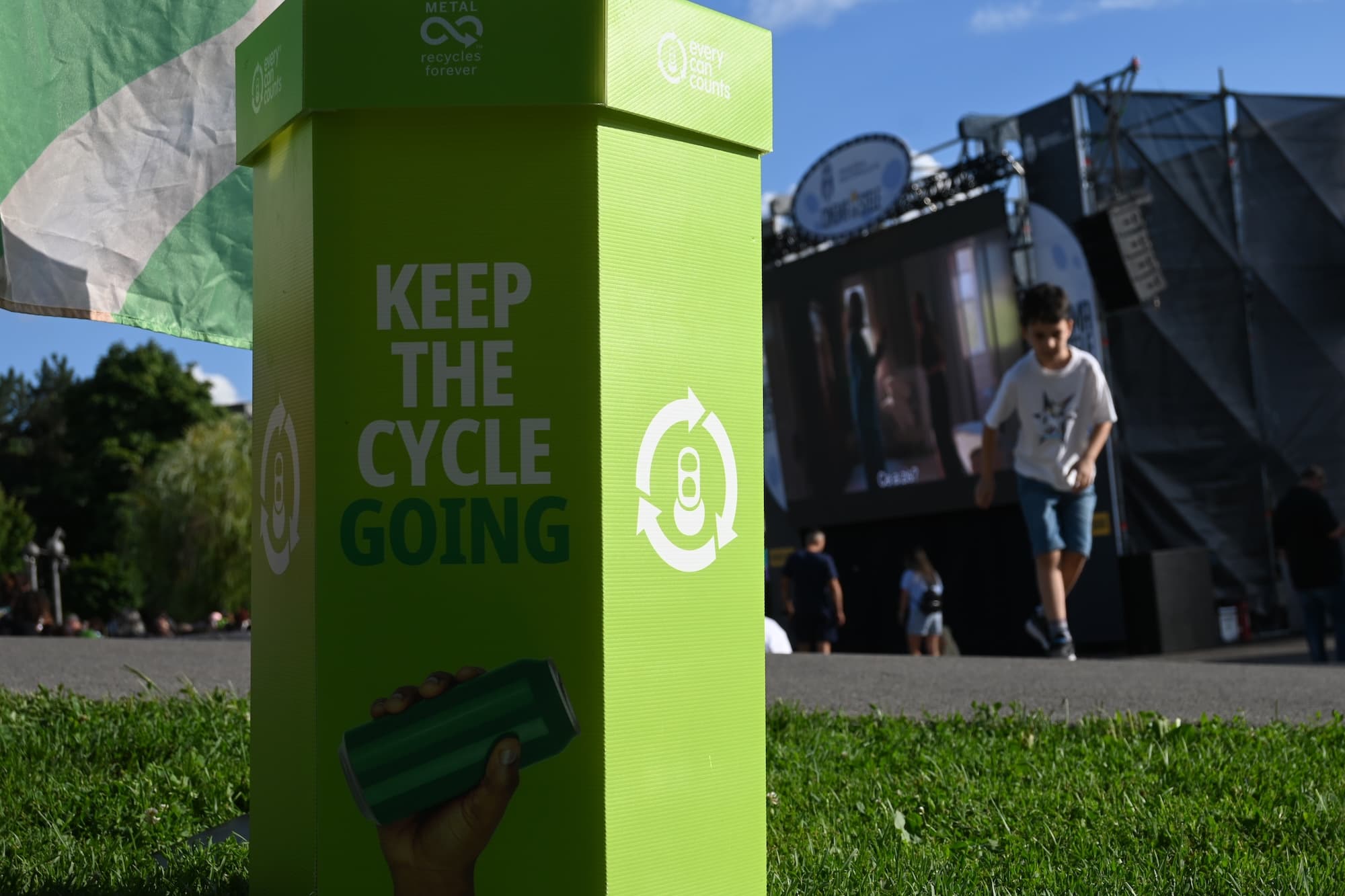
Official RetuRO data analysed by Every Can Counts shows an increase from 21.6% in the first quarter of 2024 to 29.3% in the second quarter of 2026. One driver of this growth is the younger generation, drawn to the graphic freedom the can offers and to its infinite recyclability.
Since the launch of the Deposit Return System at the end of 2023, the aluminium can has risen visibly within Romania's beverage packaging mix. According to official RetuRO reports, metal's share of all DRS packaging placed on the market grew from 21.6% in the first quarter of 2024 to 29.3% in the second quarter of 2026. The same trend appears in returns, where metal reached 28.8%, up from 18.7% at the start of the system. That is an increase of almost eight percentage points in two years, in a market where plastic remains dominant but is declining: from 61% to 51% of volumes placed on the market over the same period. Glass has held steady, at around 20%.
Metal rises quarter after quarter The can's share has grown steadily since 2024, peaking in the second quarter of 2026, which points to a structural trend. The explanation lies in several overlapping factors: the widening range of beverages sold in cans, a clearer consumer preference for lightweight, portable packaging, and a context in which aluminium is becoming the material of choice for brands building their identity around sustainability. The trend also holds internationally. According to an April 2026 McKinsey analysis, the metal packaging segment continued to show steady volume growth, and in certain categories metal is gaining market share thanks to portability, recyclability, and premiumisation trends. The aluminium can is recycled indefinitely, with no loss of quality, and can return to the shelf in as little as 60 days. Every recycled can saves up to 95% of the energy needed to produce a new one from raw materials.
The can as a space for brand expression The can's rise also has a cultural dimension, most visible among younger consumers. The surface of the can works as a continuous canvas, with no separate label and no interruptions, giving designers a creative space that other packaging materials cannot match. Today's metal printing technologies allow intense colours, matte finishes, phosphorescent inks, and limited editions, and producers offer dozens of sizes and decoration techniques for brands looking to stand out on the shelf. For young consumers, packaging has become an extension of personal style. An article published by Ad Age in 2024 found that 81% of Gen Z consumers have tried a product because of its packaging, and 63% repeated the purchase for the same reason. The same generation sees metal as the most environmentally responsible choice, according to 2024 McKinsey research indicating that 60% of young people prefer recyclable packaging. Across Europe, a study conducted by the agency Caramel for Sonoco found that 82% of consumers are more likely to buy a product that comes in metal packaging. These preferences explain why more and more beverage brands are choosing the can: on the shelf, it becomes part of how they are recognised.