EVA Bucharest: The Virtual Reality arenas that can build real connections between colleagues
In a world where remote, hybrid, or flexible work has become the norm, connections between colleagues outside the office are more important than ever. Recent studies show that these bonds boost performance, engagement, and employee…
In a world where remote, hybrid, or flexible work has become the norm, connections between colleagues outside the office are more important than ever. Recent studies show that these bonds boost performance, engagement, and employee loyalty, and companies that understand this are increasingly investing in shared experiences. It’s not just about fun; it’s an essential part of organizational culture, directly influencing productivity and employee well-being.
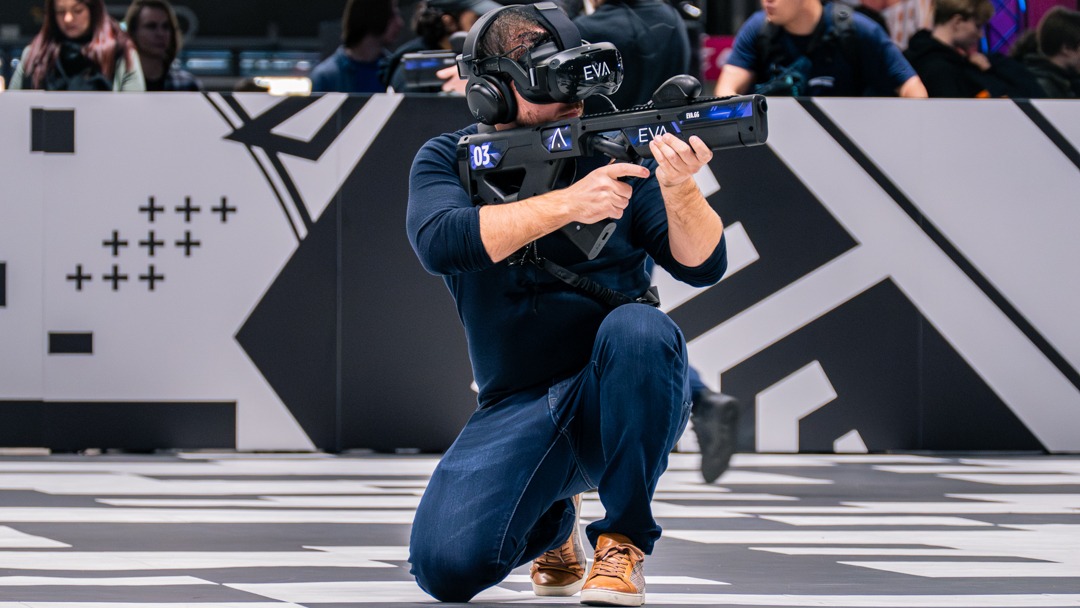
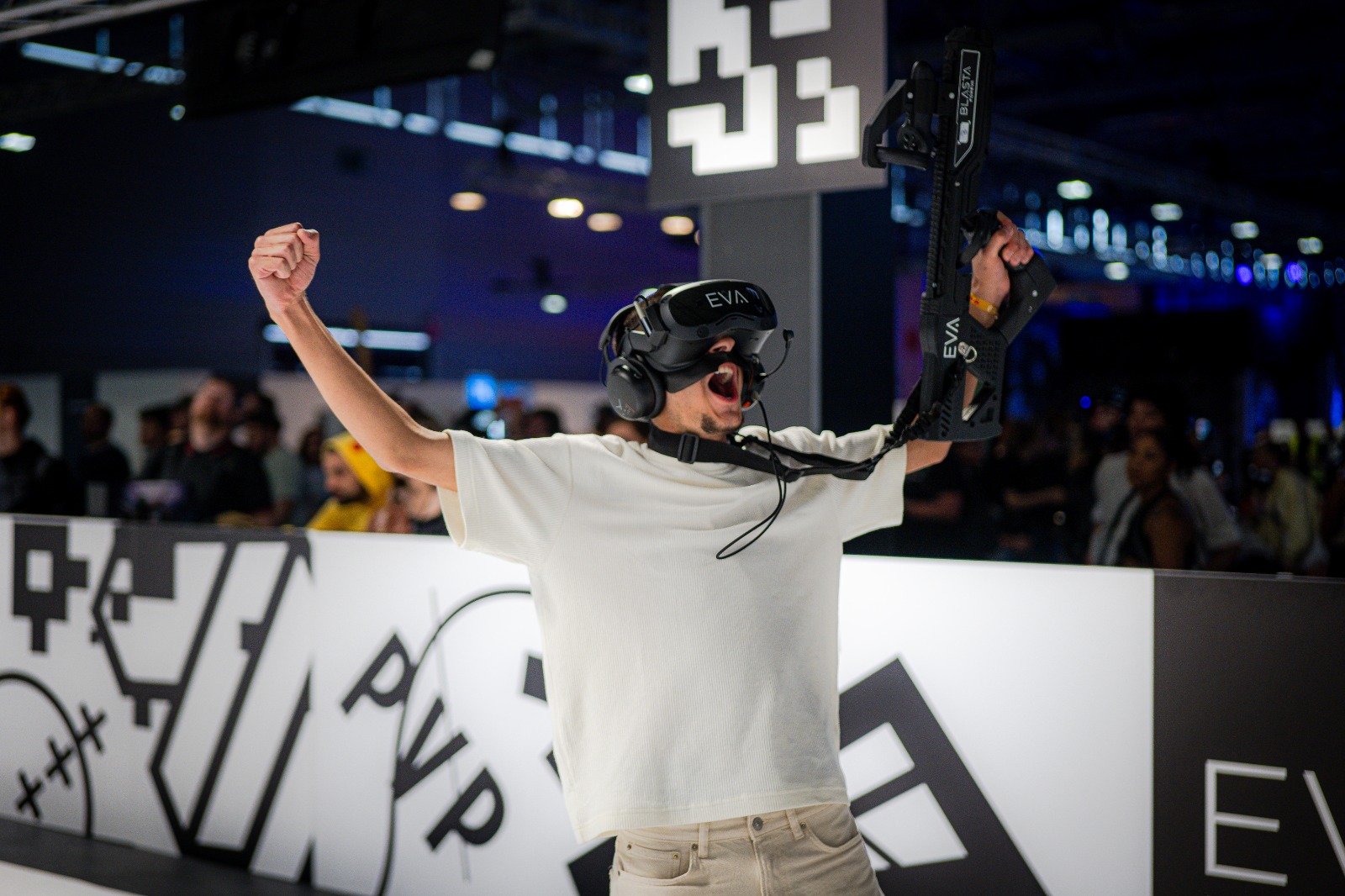
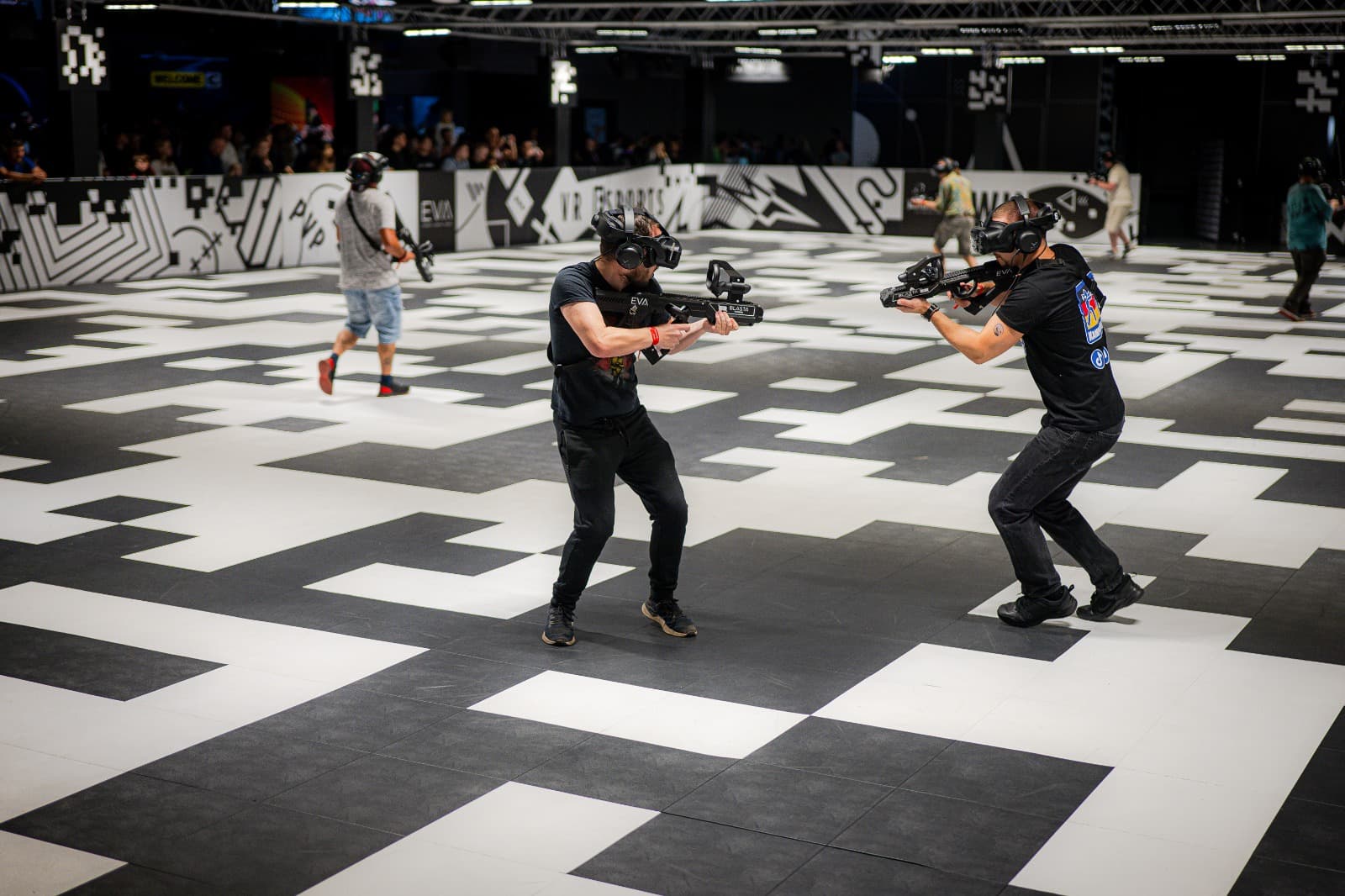
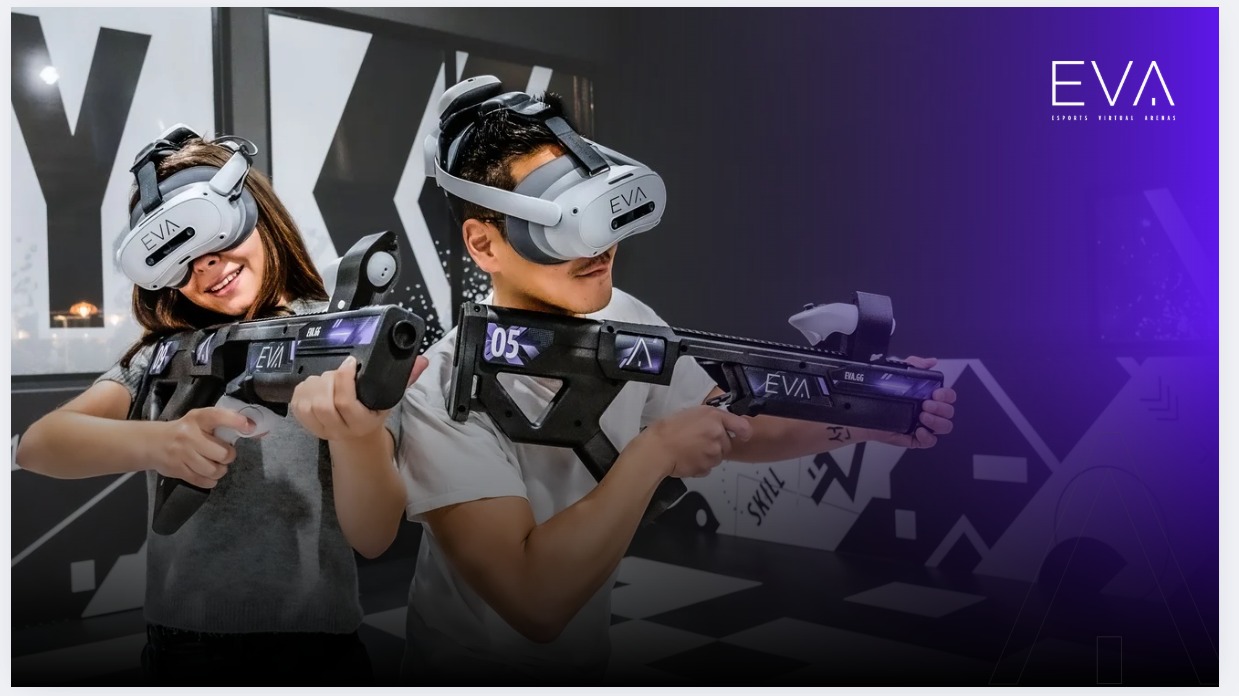
A relevant example comes from an area that, at first glance, might seem reserved for gaming enthusiasts: EVA’s virtual reality arenas, two immersive arenas opened this summer in northern Bucharest. The EVA experience demonstrates that gaming is not only about individual entertainment or player-versus-player competition, but also a fertile ground for companies that want to bring their employees together in informal contexts, from training sessions and team-building activities to simple moments of relaxation. The experience is unlike any traditional activity: no more keyboards and mice, but teams literally stepping into an arena with their VR headsets and controllers, moving physically across the map, communicating, collaborating, and developing coordination skills in a setting that is both competitive and fun.
The relevance of such activities for employees' well-being is backed by recent research. In 2025, several studies showed that employees who have opportunities to interact outside their daily routines are more likely to remain motivated and productive over the long term. Moreover, research on competitive team dynamics published on arXiv - “What Drives Team Success? Large-Scale Evidence on the Role of the Team Player Effect” - demonstrates that familiarity among team members and strong social skills consistently improve results, even when the tasks are highly technical. In other words, it’s not just technical expertise that matters, but the way people collaborate.
In Bucharest, following its launch in June, EVA has already hosted numerous corporate team-building events on weekdays, a sign that the concept is quickly gaining traction in the business environment. Unlike escape rooms, paintball, or other traditional activities Romanians have tried over the years, the unique VR experience offered by EVA, with its location and games, has the advantage of being scalable and adaptable, allowing both small team sessions and larger events for entire departments. The games are designed specifically to emphasize strategy and collaboration, and the diversity of modes, from competitive matches to survival scenarios, creates opportunities for every participant to showcase their skills and discover new roles within the team. The experience is open and accessible to a wide range of ages, with typical participants being between 16 and 65 years old, making it an inclusive activity for all generations.